
Find out what solar could save you.
What our tool tells you, free
- System cost
- Annual savings
- Payback period
- SEG earnings
- System size
- Annual generation




What our tool tells you, free
What type of property is it?
Helps us estimate roof size and recommend the right system.
How many bedrooms?
Used to estimate typical electricity use and suggest a system size.
Build your system
Set the number of panels and pick a battery to suit your home.
How many panels do you want?
Choose your battery storage options
How do you currently heat your home?
This helps us estimate your electricity usage more accurately.
Do you have an electric vehicle?
Charging from solar can add around £140 a year to your saving.
Almost there, your estimate is ready
Enter your details and we will send your system cost, annual savings, payback period, SEG earnings, system size and annual generation.
Enter your postcode and we will find your address.
We text you a 6 digit code to confirm your number. We never sell or pass on your details.
Enter your 6-digit code
We sent a code by SMS to . Enter it below to see your savings.
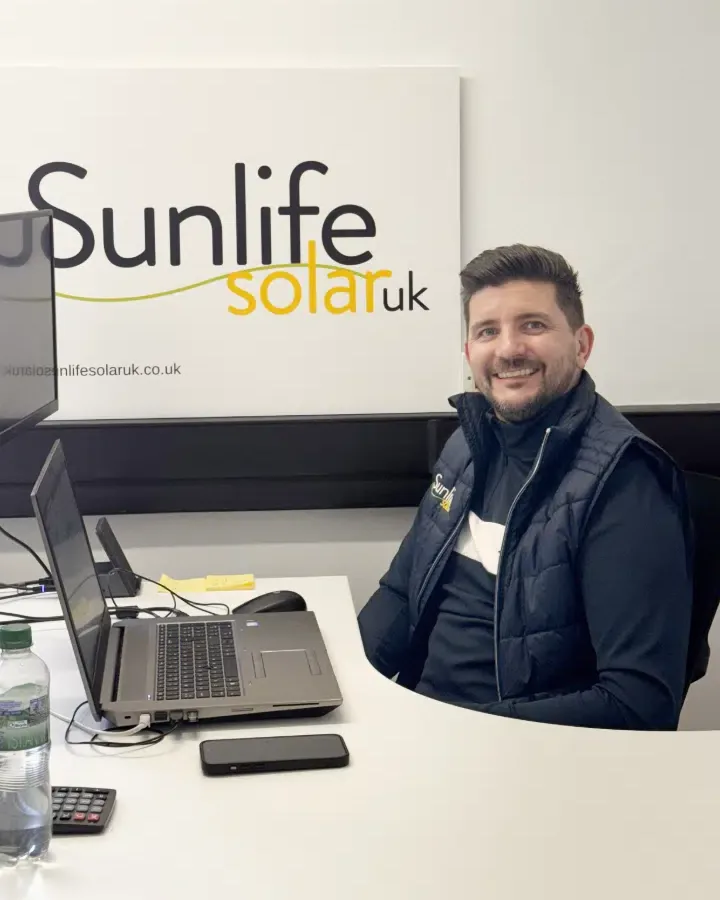
Based in East Malling, we're a small local team with a good bit of experience behind us in renewables and electrical work. We'd rather do a few jobs properly than rush through a lot of them.
We built the tool above ourselves, out of what we know about pricing and fitting these systems. It works out the numbers for your own roof instead of a guess over the phone.
Get my free estimateEvery photo here is a job we've done ourselves.
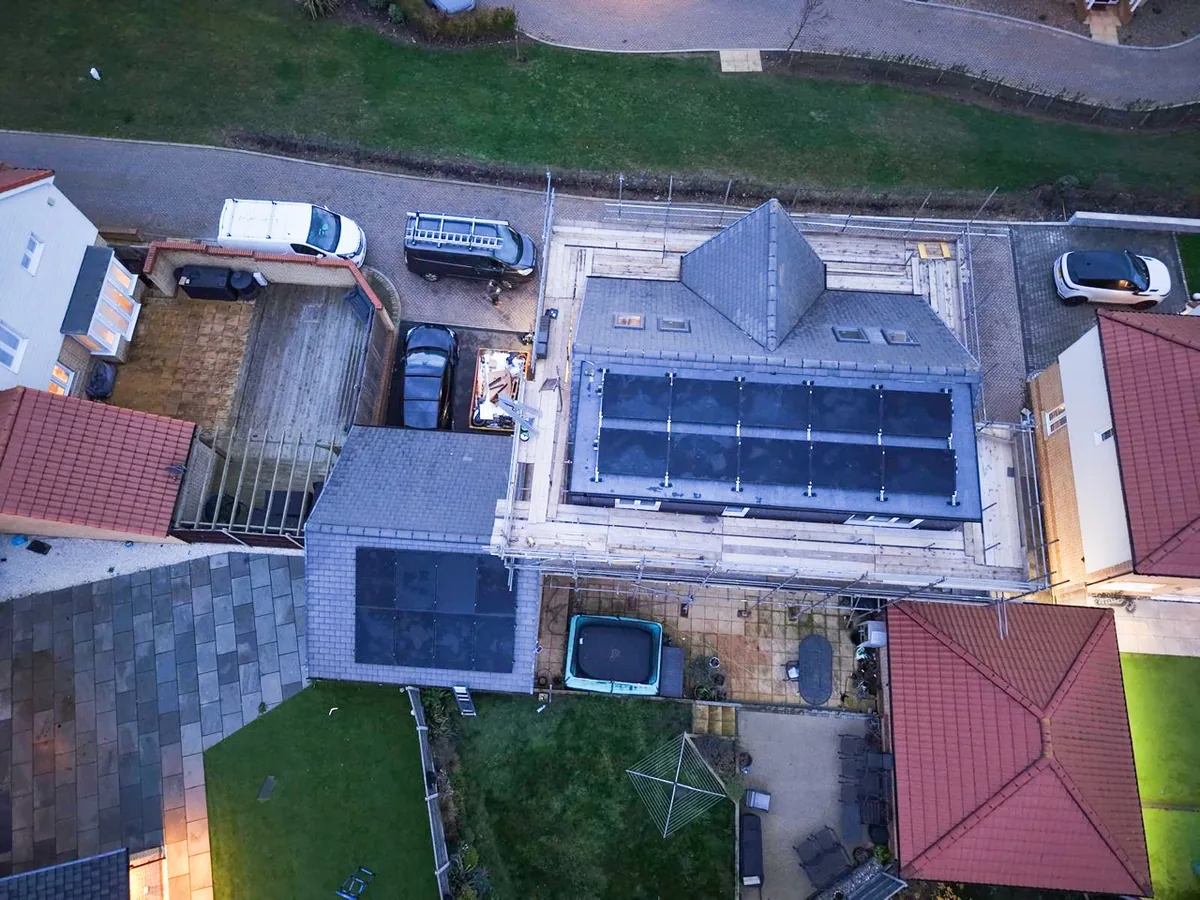
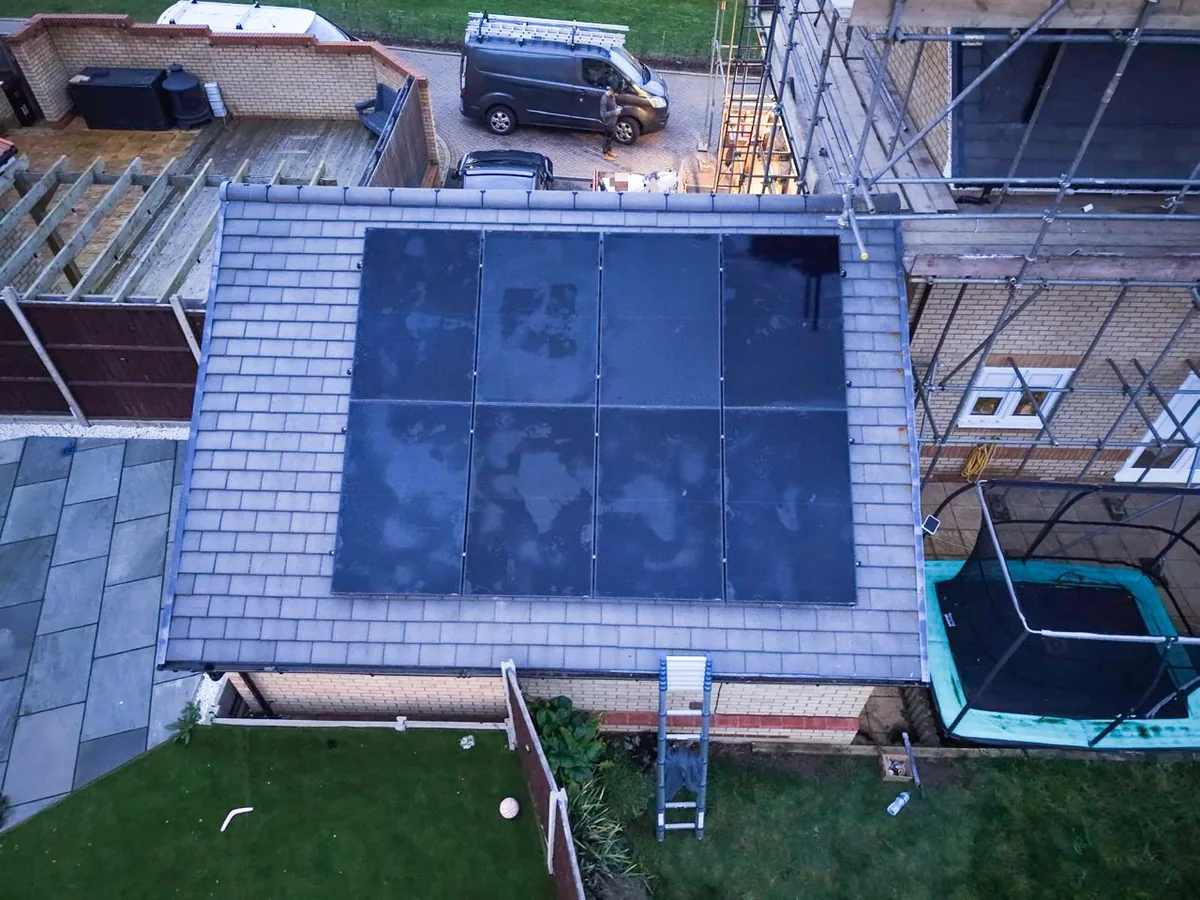
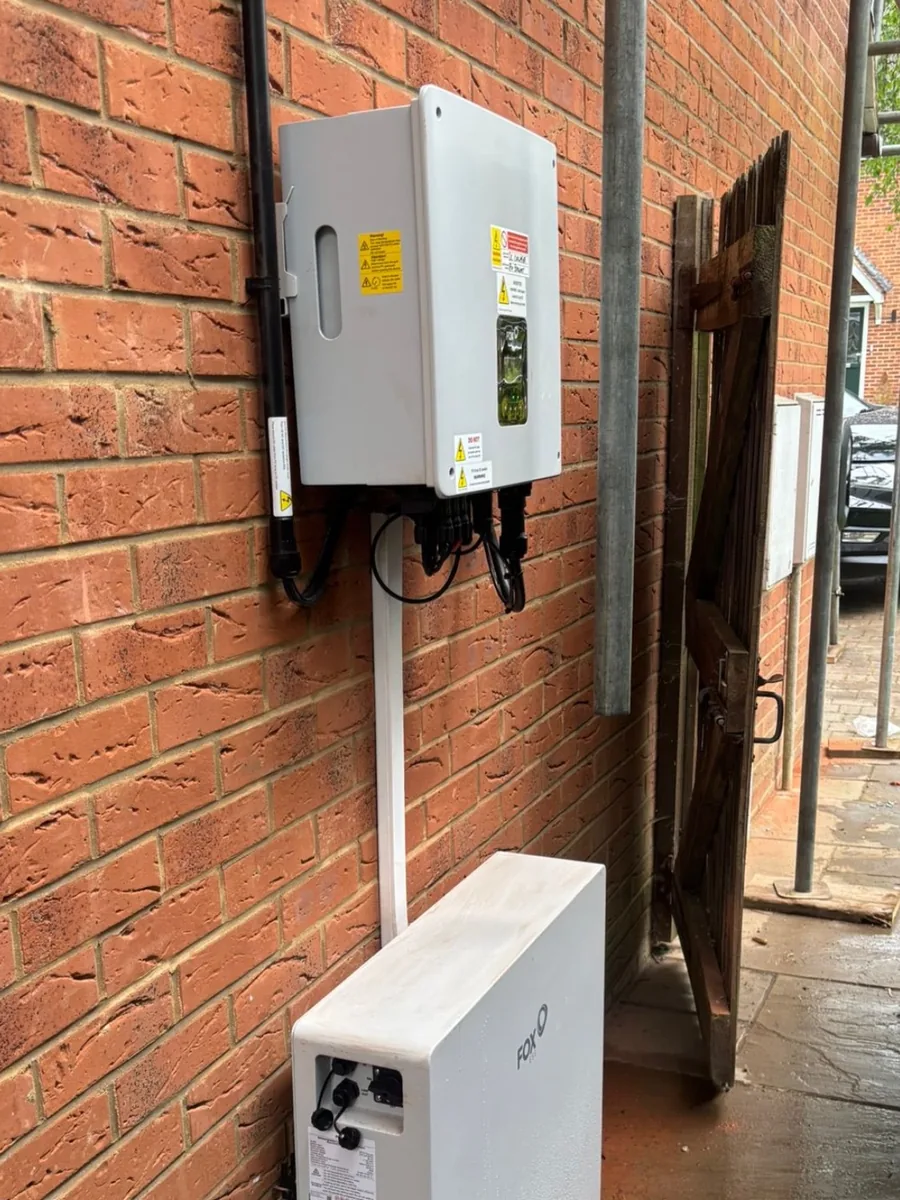
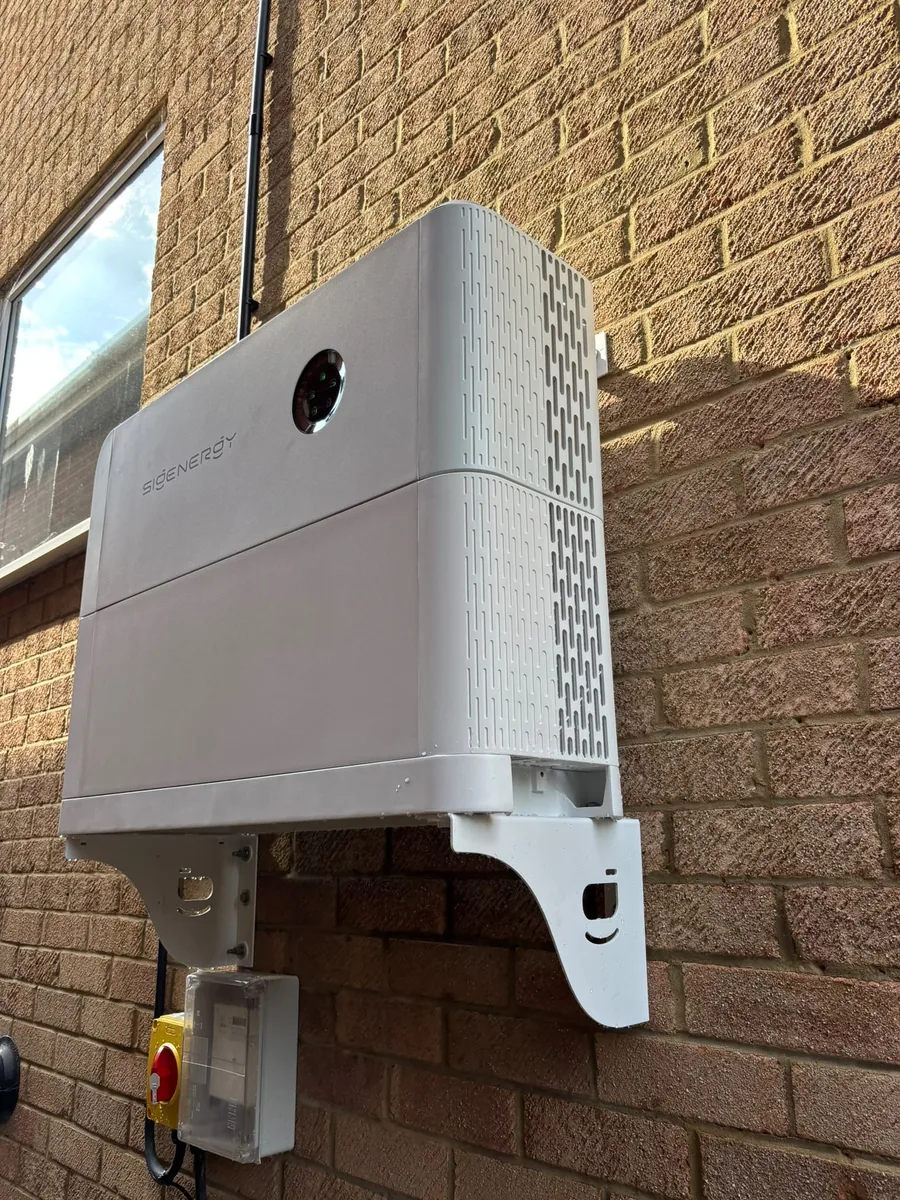
A house in Rochester, Kent, with a 7kW hybrid inverter and 11kWh of battery storage.

The Independent, 20 April 2026. Their figures, not ours: the £624 is a 9.9kW system on a five bedroom house.
Join thousands of UK homeowners earning money on their electricity bills.
Get my free estimateThe things homeowners want to know before they let anyone near their roof. If yours isn't here, ask us when we speak.
Most are. A south facing roof with nothing shading it gives the most, and the Energy Saving Trust puts an east or west facing roof at around 15 to 20% below one facing due south. North facing isn't worth doing.
Chimneys, trees, dormers and next door's extension all change the answer, and so does the age and condition of the roof covering. That's why we look at the actual roof rather than work it out from the postcode.
Usually not. Solar on a house in England is normally permitted development, so long as the panels sit no more than 200mm off the roof slope and don't go above the highest part of the roof, not counting the chimney.
There are exceptions. Listed buildings and scheduled monuments are out, and in a conservation area or a World Heritage Site panels can't go on a wall that faces a road. We'll tell you where you stand before anything is ordered.
No. Solar works perfectly well without one.
What a battery does is hold on to what you generate and don't use at the time, so it's there in the evening instead of going back to the grid. If the house is empty all day, that's the argument for one. If somebody's home, or you can run the washing machine and the dishwasher in the middle of the day, you get a long way without.
Treat it as a best case. The tool works to an ideal roof: nothing shading it, the best orientation, and a standard year of sunshine. A real roof gives less than that.
It's there to tell you whether solar is worth a proper look at your house. The numbers that matter come from someone standing in front of your roof.
To confirm: how many days on site for a typical house, whether the electrical work and the commissioning happen the same day, and whether Sunlife arranges and removes the scaffolding
There'll be scaffolding. It's how a roof gets worked on safely, and it goes up before the crew arrive and comes down after they've finished. Inside, the work is the cable run and the inverter, usually in a loft, a garage or a utility, so it's dusty in one or two places rather than through the house.
You don't need to be home for all of it, and your power is only off for the part of the day the system is being connected up.
We handle the network side. Your Distribution Network Operator, the company that owns the wires in your street, has to be told about a new system. Smaller ones are notified within 28 days of the work under G98. Larger ones, and most systems with a battery, need permission in advance under G99, so that part starts before we book you in.
You'll get your MCS certificate when the work is signed off. That's the document your energy supplier asks for when you sign up to be paid for what you export, and it's the one to keep.
Two different things get mixed up here, and it's worth separating them.
The manufacturers guarantee their own kit, the panels, the inverter and the battery, each on its own terms. Our workmanship guarantee covers the fitting: the fixings, the roof penetrations, the cable runs and making good after us.
To confirm: the length of Sunlife's workmanship guarantee. The install video on this page says two years, so the two have to agree
It's insurance backed through QANW, registration 47847, which is the part that matters: the cover on our workmanship still stands even if we aren't here to honour it ourselves. We're registered with RECC, 00079702, and TrustMark, 4084043.
Yes, under the Smart Export Guarantee. It's been running since January 2020 and it obliges the larger licensed electricity suppliers to pay you for what your system sends back to the grid.
Two things worth knowing. You pick who pays you and it doesn't have to be the supplier you buy your electricity from, so the rates are worth comparing. And to qualify at all, the system has to have been fitted by an MCS certified installer using certified products, which is what that MCS certificate is for. Payments are worked out from export meter readings.
Quiet, and mostly you forget they're there. Panels run on daylight rather than direct sun, so a grey day still generates, it just generates less. A UK system makes most of its power between spring and early autumn and you will notice the drop in December and January. That's normal, not a fault, and any sensible estimate is worked out across a whole year rather than a good week in June.
Upkeep is close to nothing. On a pitched roof the rain does most of the cleaning, and the one job worth doing is keeping trees cut back so they don't start shading the array as they grow. The panels are expected to last 25 years or more. The inverter is the part with the electronics in it, and the Energy Saving Trust works on replacing one after around 12 years, so that's the component to expect to change at some point rather than the panels.
Something we haven't covered? Put your details in and ask us. We answer the awkward ones too.